

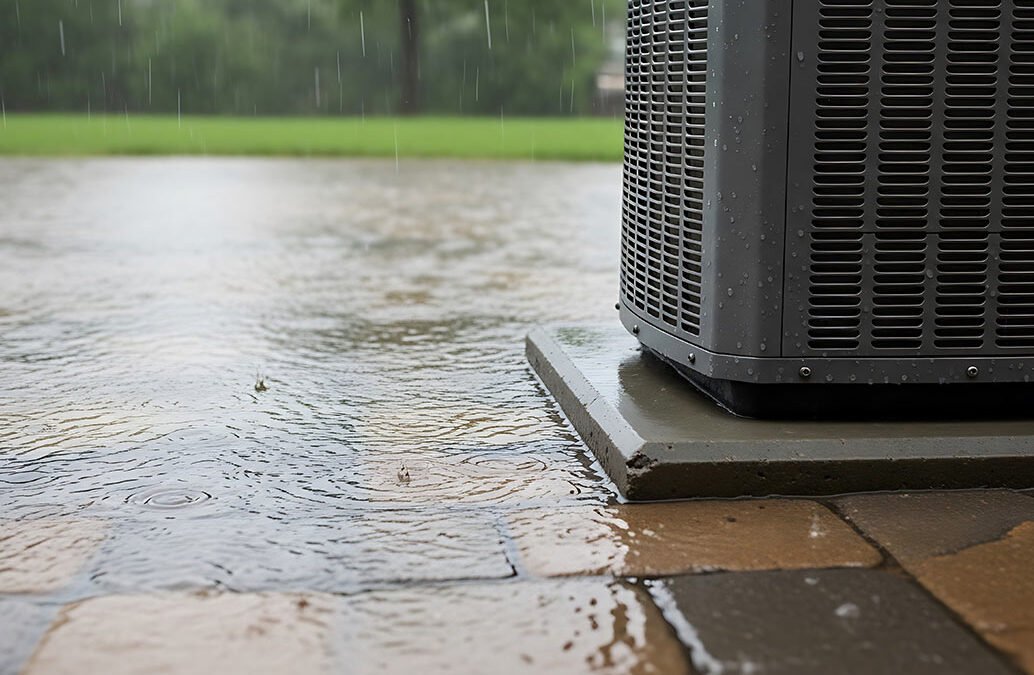
Spring marks the transition into warmer weather, but it also signals the arrival of storm season. In Hilton Head and Bluffton, SC, spring storms often bring heavy rain, strong winds, lightning, and power outages that can place serious stress on your home’s heating and cooling system. While homeowners cannot control the weather, they can take proactive steps to prepare their HVAC system for severe conditions and reduce the risk of costly repairs or system failure.
At Palmetto Heating & Air, we believe preparation is the best defense. A well-maintained HVAC system is more resilient, safer to operate, and better equipped to recover quickly after a storm.
Understanding How Spring Storms Affect HVAC Systems
HVAC systems rely on electricity, airflow, and outdoor components to function properly. Severe weather introduces hazards such as power surges, flooding, falling debris, and unstable voltage. Lightning strikes and sudden outages can damage circuit boards, compressors, motors, and thermostats. Outdoor units are especially vulnerable to debris impact and water exposure during intense storms.
Even after a storm passes, restarting a damaged system too quickly can cause further harm. Understanding these risks highlights why preparation and post-storm caution are essential.
Pre-Storm HVAC Preparation Steps
Scheduling a professional HVAC inspection before storm season is one of the most important steps homeowners can take. During an inspection, a technician checks electrical connections, refrigerant levels, airflow, safety controls, and mechanical components. Identifying minor issues early helps prevent breakdowns during extreme weather.
Surge protection is another critical safeguard. Power surges caused by lightning or grid instability can instantly damage HVAC electronics. Installing a dedicated HVAC surge protector or whole-home surge protection system adds a layer of defense against electrical damage.
Outdoor units should be kept clear and secure. Remove leaves, branches, mulch, and loose objects from around the unit. Trim nearby shrubs and trees to prevent broken limbs from falling onto equipment. Maintaining proper clearance also ensures adequate airflow for efficient operation.
Air filters should be replaced regularly, especially before storm season. Clean filters improve airflow, reduce strain on the system, and help maintain consistent indoor comfort when your system runs for extended periods.
In areas prone to flooding, elevating the outdoor unit or anchoring it to a concrete pad can help prevent water damage and movement during heavy rainfall.
HVAC Safety During Power Outages
Power outages are common during spring storms. When the power goes out, turn your HVAC system off at the thermostat to prevent damage when electricity is restored. Once power returns, wait several minutes before restarting the system to allow voltage levels to stabilize.
Repeated power fluctuations can shorten the lifespan of HVAC components, especially compressors. Using these precautions helps protect your system during unstable electrical conditions.
Post-Storm HVAC Inspection and Recovery
After the storm has passed and it is safe to go outside, visually inspect your outdoor HVAC unit. Check for visible damage such as dents, displaced panels, bent fins, standing water, or debris around or inside the unit. Avoid attempting to remove internal debris or repair electrical components yourself, as this can be unsafe and may cause further damage.
If you covered your unit before the storm, remove the cover promptly once conditions improve. Leaving a cover in place for too long can trap moisture, which may lead to corrosion, mold growth, or restricted airflow when the system is restarted.
When turning the system back on, listen closely for unusual sounds such as grinding, buzzing, rattling, or clicking. These noises can indicate internal damage. Monitor system performance for signs like uneven cooling, reduced airflow, frequent cycling, or unusual odors. If anything seems off, shut the system down and contact a professional for inspection and repair.
When Professional Service Is Necessary
Never operate an HVAC system that has been submerged in water or shows signs of electrical damage, such as exposed wiring, burned components, or tripped breakers that will not reset. Doing so can pose serious safety risks and may cause additional damage to the system. A licensed HVAC technician should always inspect the equipment before it is placed back into operation to ensure it is safe, functional, and operating as intended.
At Palmetto Heating & Air, our experienced HVAC technicians are trained to quickly diagnose and repair storm-related damage. From electrical issues and motor failures to water exposure and airflow problems, we know what to look for after severe weather. Prompt professional service helps prevent minor storm damage from escalating into major system failure, reduces downtime, and restores comfort to your home as safely and efficiently as possible.
Long-Term HVAC Preparedness
Storm readiness is not a one-time task, but an ongoing commitment to system care. Routine maintenance, seasonal inspections, and preventative upgrades help ensure your HVAC system remains reliable and efficient throughout the year. Regular service allows technicians to identify worn components, electrical vulnerabilities, and drainage issues before severe weather exposes them.
Maintenance plans offer added peace of mind by keeping your system on a consistent service schedule and providing priority service during extreme weather events. With proactive care in place, your HVAC system is better prepared to handle storms, temperature swings, and unexpected outages with minimal disruption.
Homeowners in Hilton Head and Bluffton, SC can rely on Palmetto Heating & Air for professional HVAC care before, during, and after storm season. Preparing today helps ensure comfort, safety, and confidence no matter what spring weather brings.

Recent Comments